Garden styles reflect a variety of cultural, aesthetic, and functional influences, allowing gardeners to express their unique preferences and personalities. Here are brief descriptions of ten popular garden styles:
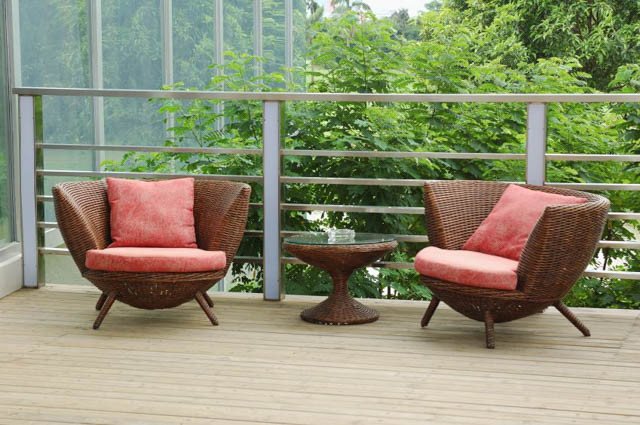
City gardens: City gardens maximize limited urban space, often incorporating container gardening, vertical planting, and small-scale water features. They may include a mix of edibles, ornamentals, and native plants.
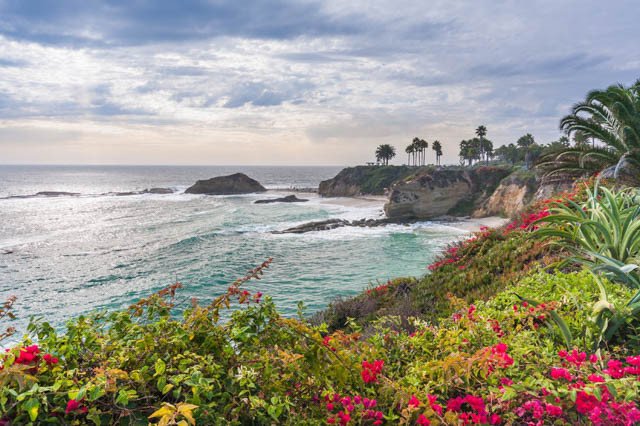
Coastal gardens: Coastal gardens embrace the natural beauty of seaside environments, incorporating salt-tolerant, wind-resistant plants and dune grasses. They often feature driftwood, shells, and other coastal elements.
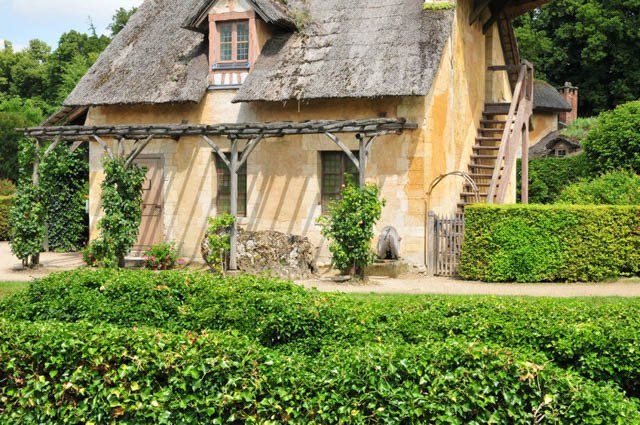
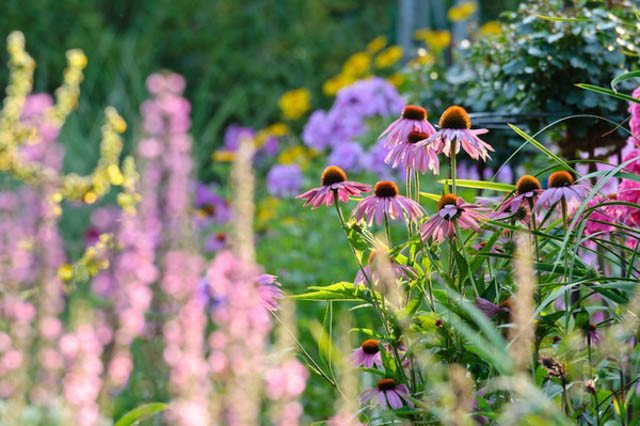
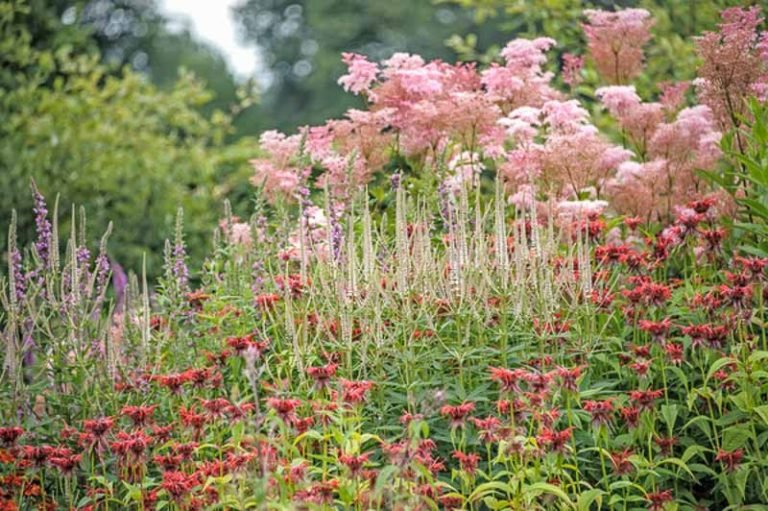
Cottage gardens: Cottage gardens are informal and romantic, featuring a mix of flowering perennials, shrubs, and self-seeding annuals. They are characterized by a profusion of color, scent, and texture, with winding paths and hidden surprises.
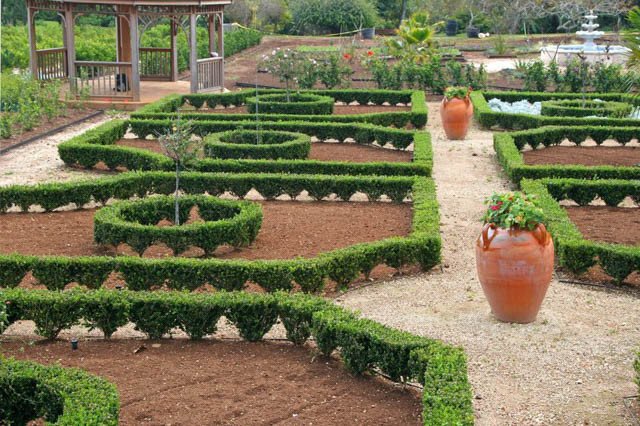
Formal gardens: Formal gardens are characterized by their symmetry, clean lines, and geometric patterns. They often incorporate topiary, hedges, and parterres, with a strong sense of order and structure.
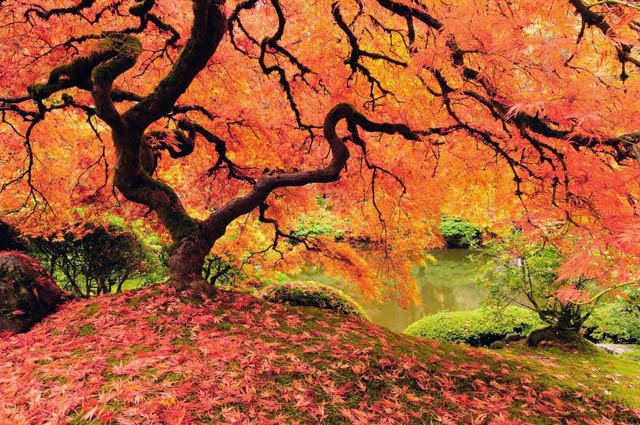
Japanese gardens: Japanese gardens emphasize tranquility and harmony, using elements such as water, rocks, and carefully pruned plants. They often feature traditional Japanese plants, stone lanterns, and bridges.
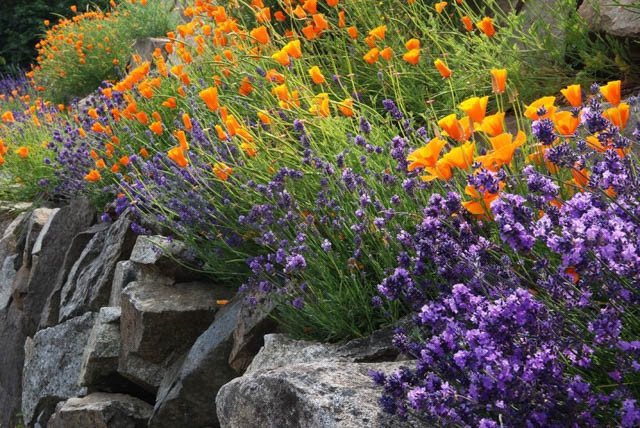
Gravel and rock gardens: Gravel and rock gardens showcase drought-tolerant, low-maintenance plants in a naturalistic setting. Rocks provide structure, while gravel or pebbles serve as mulch, conserving water and suppressing weeds.
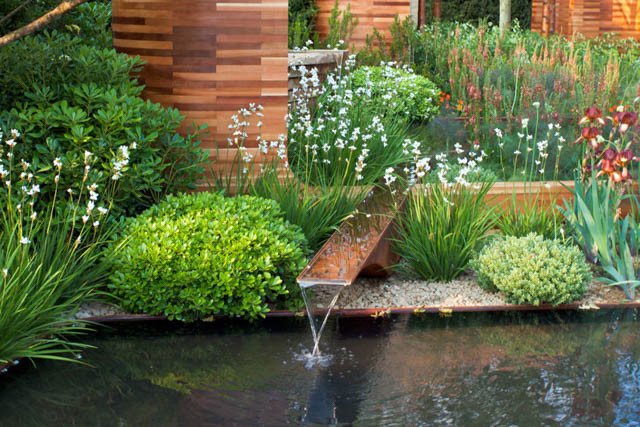
Contemporary gardens: Contemporary gardens are sleek, minimalist, and modern, using simple plant palettes, clean lines, and innovative materials. They often incorporate hardscape elements such as metal, glass, or concrete.
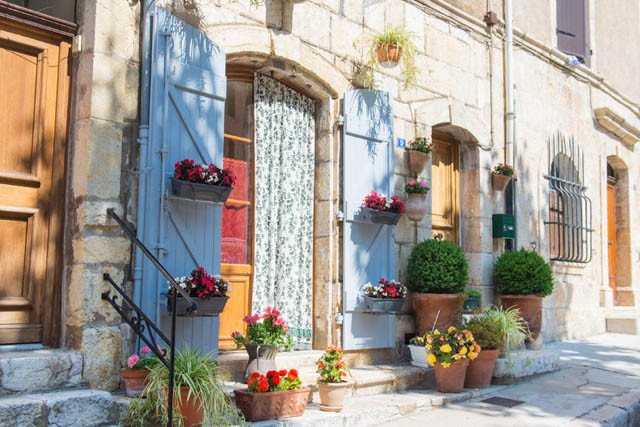
Mediterranean gardens: Mediterranean gardens evoke the warm, sun-soaked climates of southern Europe, featuring drought-tolerant plants, fragrant herbs, and rustic materials like terracotta, stone, or wrought iron.
Prairie gardens: Prairie gardens celebrate the beauty of North American grasslands, using native grasses and wildflowers to create a low-maintenance, ecologically beneficial landscape.
Traditional gardens: Traditional gardens incorporate elements from various styles, blending formal and informal design with a diverse mix of plants, hardscape materials, and ornamentation.